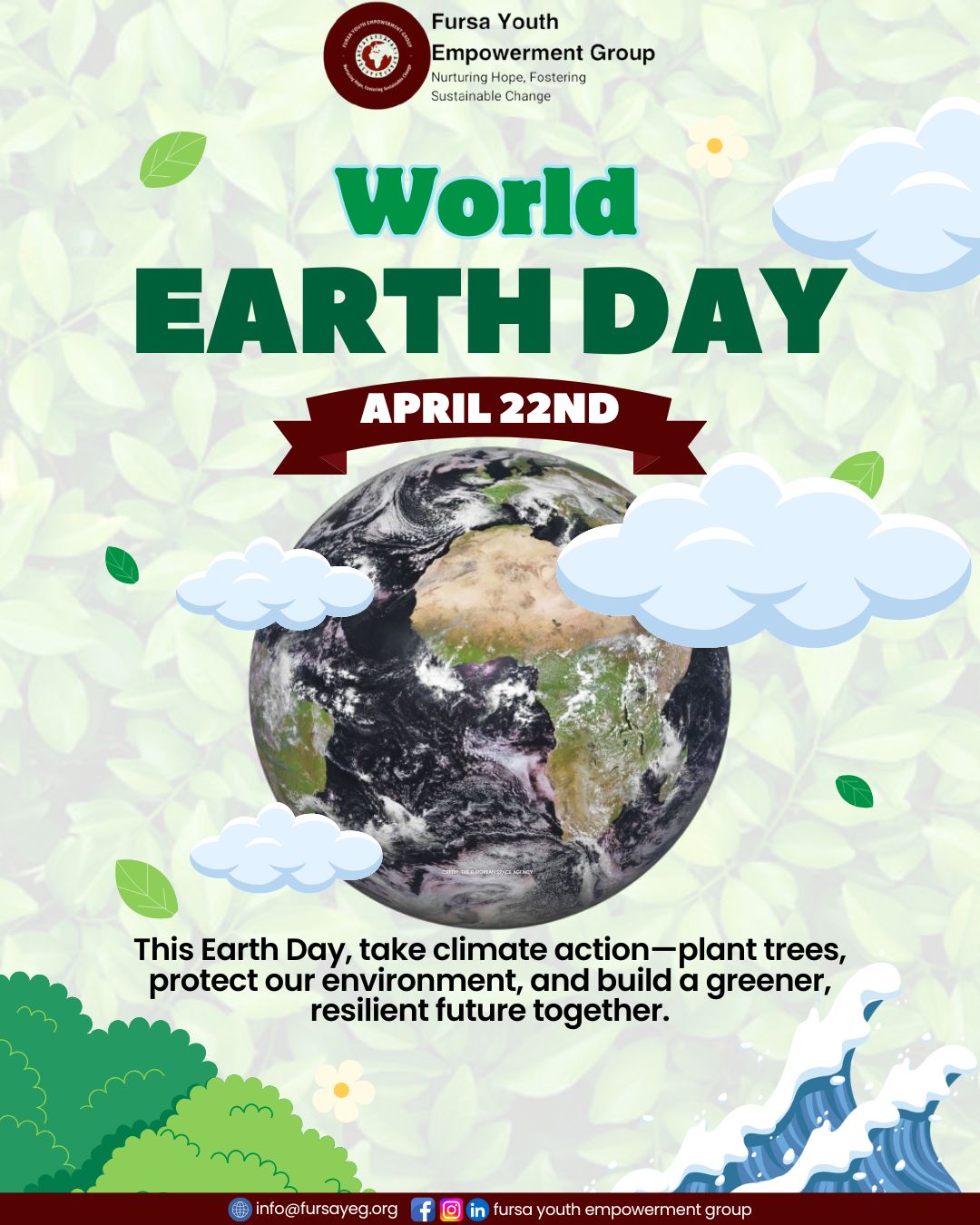
Every year on April 22, the world comes together to mark Earth Day—a moment to reflect on our relationship with the environment and renew our commitment to protecting it. What began in 1970 as a grassroots movement has grown into a global campaign involving millions of people, organizations, and governments, all united by one shared goal: safeguarding the planet for present and future generations.
Why Earth Day Matters Today
Earth Day is no longer just a symbolic event—it is a necessary reminder of the urgent environmental challenges we face. From rising temperatures and unpredictable weather patterns to deforestation and pollution, our planet is under pressure. At the heart of many of these issues lies climate change, driven largely by human activities such as burning fossil fuels, industrial expansion, and unsustainable land use.
The consequences are already visible. Communities are experiencing prolonged droughts, devastating floods, and declining agricultural productivity. For countries like Kenya, where livelihoods are closely tied to the environment, these impacts are not distant threats—they are daily realities.
The Role of Communities and Young People
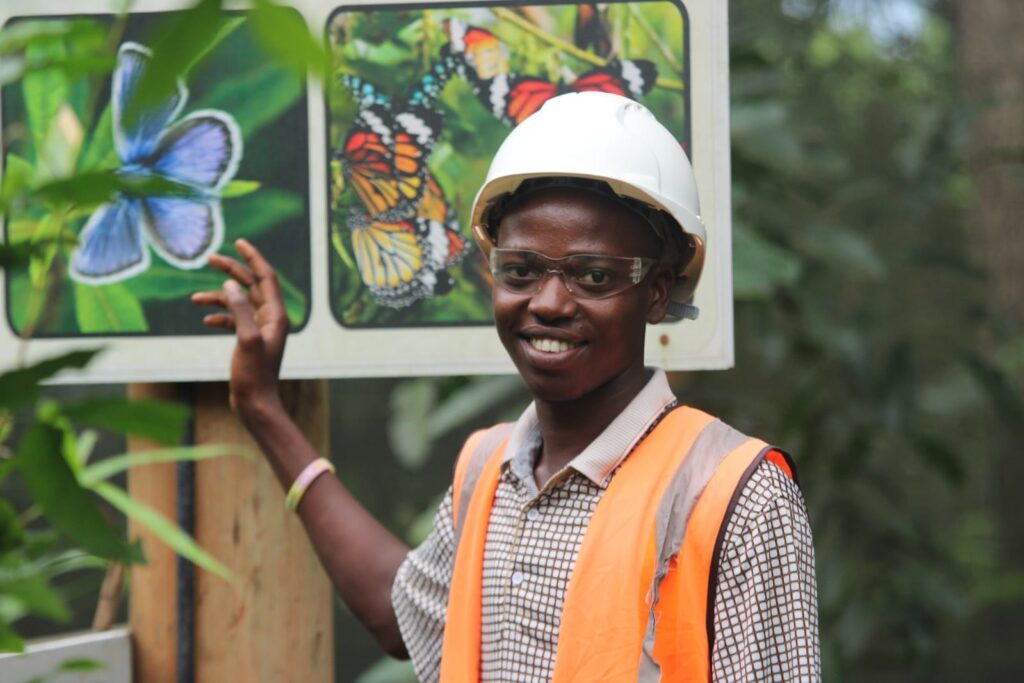
While global policies and agreements are crucial, real change often begins at the community level. Individuals, especially young people, have the power to drive meaningful environmental action. Across schools, neighborhoods, and local organizations, youth are stepping up—planting trees, raising awareness, and advocating for sustainable practices.
Youth-led initiatives not only address environmental challenges but also build leadership, resilience, and a sense of responsibility. By engaging in climate action today, young people are shaping a future that is more sustainable, inclusive, and hopeful.
Practical Actions for a Greener Future
Earth Day encourages everyone to move beyond awareness and take action. Simple, everyday choices can make a significant difference when multiplied across communities:
- Plant and nurture trees to restore ecosystems and absorb carbon emissions
- Reduce, reuse, and recycle to minimize waste and pollution
- Conserve water and energy in homes, schools, and workplaces
- Promote environmental education to inspire others to act
- Support local conservation efforts and sustainable initiatives
These actions may seem small, but collectively they contribute to a larger movement toward environmental sustainability.
Building Climate Resilience
Addressing climate change is not only about reducing harm—it is also about building resilience. Communities must be equipped to adapt to changing environmental conditions through knowledge, innovation, and collaboration. This includes adopting climate-smart agriculture, protecting natural resources, and strengthening local systems that support livelihoods.
Organizations like Fursa Youth Empowerment Group play a vital role in this process by empowering young people with the skills, awareness, and opportunities needed to lead climate action in their communities.
A Shared Responsibility
Earth Day reminds us that the responsibility to protect our planet does not belong to one person or one nation—it belongs to all of us. Every action, no matter how small, contributes to a collective impact. The choices we make today will determine the kind of world we leave behind.
As we mark this important day, let us move from intention to action. Let us plant, protect, and preserve. And most importantly, let us commit to being responsible stewards of the Earth—not just on April 22, but every day.
The future of our planet is in our hands. Let’s act now.