“Kujenga Amani, Kujenga Kesho” — Youth Leading Peace in Kwale & Beyond
About the Kujenga Amani Project
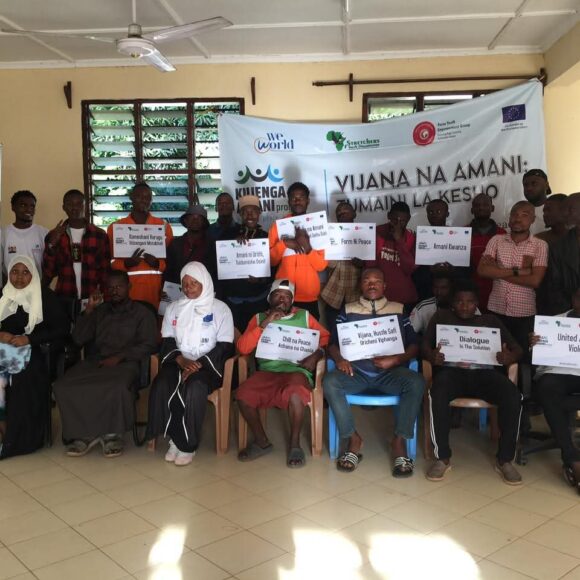
The Kujenga Amani Project is a peacebuilding initiative implemented by Fursa Youth Empowerment Group (FYEG) with support from the European Union in Kenya, in partnership with WeWorld and Stretchers Youth Organization. Through its flagship program “Vijana na Amani: Tumaini la Kesho”, the project works with young people in hotspots across Waa-Ng’ombeni, Tiwi, Kombani, and Tsimba to address youth involvement in crime, drug abuse, and inter-community conflict. The project creates safe spaces for dialogue between youth, elders, religious leaders, security actors, and community stakeholders to rebuild trust and promote peaceful coexistence.
At the heart of the project is the belief that youth are powerful agents of peace when given the right guidance, opportunities, and platforms to be heard. By combining culture, dialogue, mentorship, and economic empowerment, Kujenga Amani helps young people reflect on their choices, reconnect with positive values, and explore better life paths. Through maskani visits, peace dialogues, radio talk shows, and cultural events, the project is helping communities move from fear to understanding, from conflict to cooperation, and from hopelessness to Tumaini la Kesho—Hope for Tomorrow.
IMPLEMENTATION
Listening First: Maskani Engagements
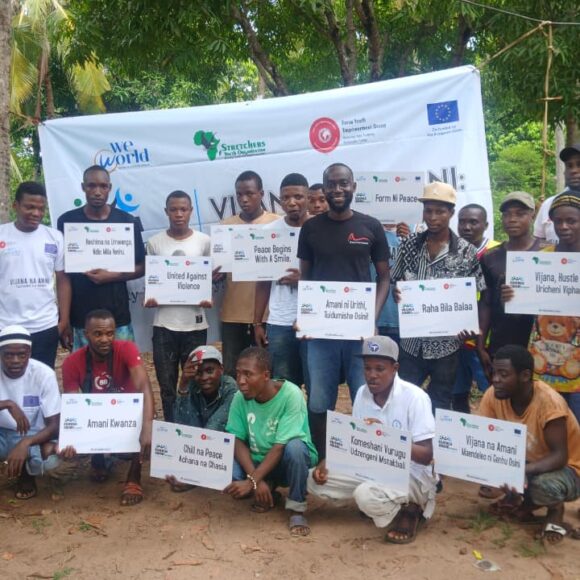
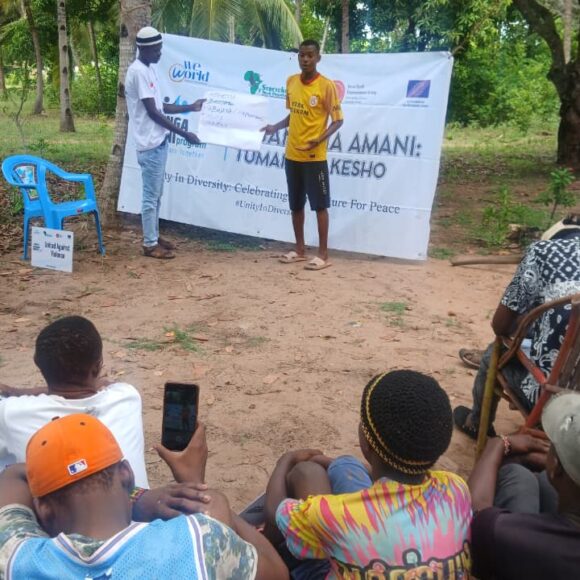
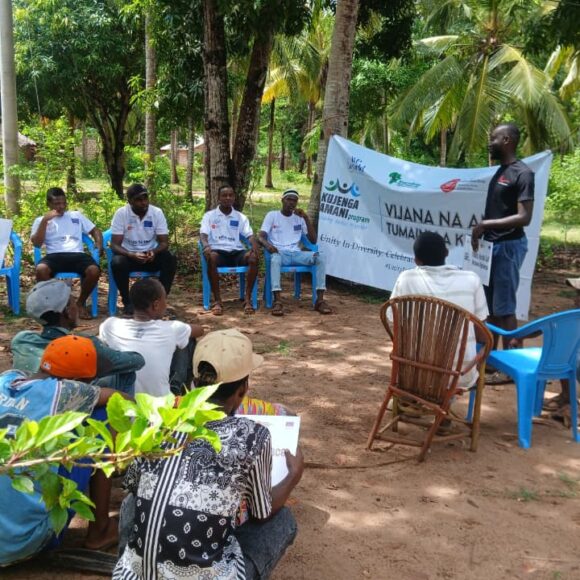
Our peacebuilding journey began at the grassroots level, in spaces where young people naturally gather—maskanis. We conducted a series of maskani visits in hotspot areas including Dandora (Mbweka), Baha Rero (Tiwi), Talibase (Kombani), and Kalikalise (Tsimba). These visits were not lectures. They were listening spaces.
Young people spoke openly about the pressures they face—drug use, peer influence, broken family structures, lack of jobs, and long-standing feuds between neighborhoods. They also shared their hopes: for dignity, for work, for safer streets, and for a future free from fear. These conversations helped shape the direction of the entire project.
Stawisha Jamii: Dialogue That Heals
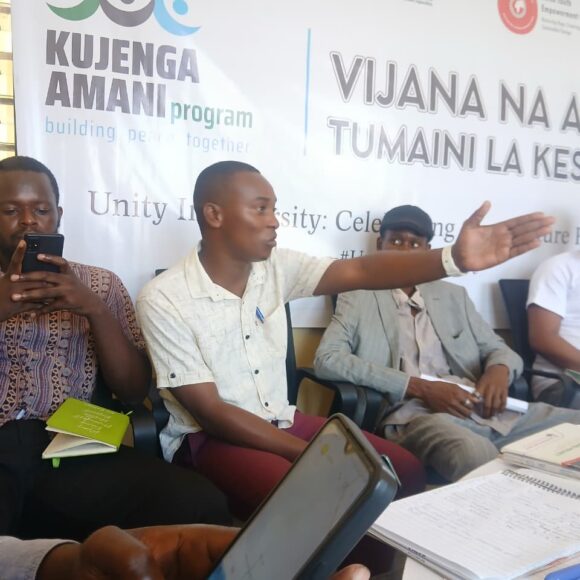
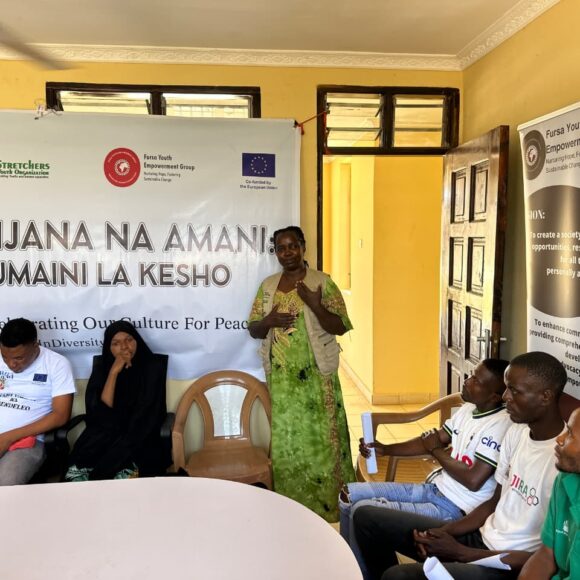
From the maskani discussions emerged the Stawisha Jamii Peacebuilding Dialogues—a series of youth-to-stakeholder engagements designed to rebuild trust and create shared solutions. These dialogues brought together youth, chiefs, religious leaders, cultural elders, youth leaders, and community organizations.
For many young people, it was their first time sitting across the table from decision-makers—not as suspects or troublemakers, but as partners in peace. Together, they discussed the real causes of insecurity, the gaps in communication between youth and authorities, the role of culture and faith in shaping values, and the urgent need for youth economic opportunities. These sessions reminded everyone that peace is a shared duty.
Culture as a Bridge to Peace
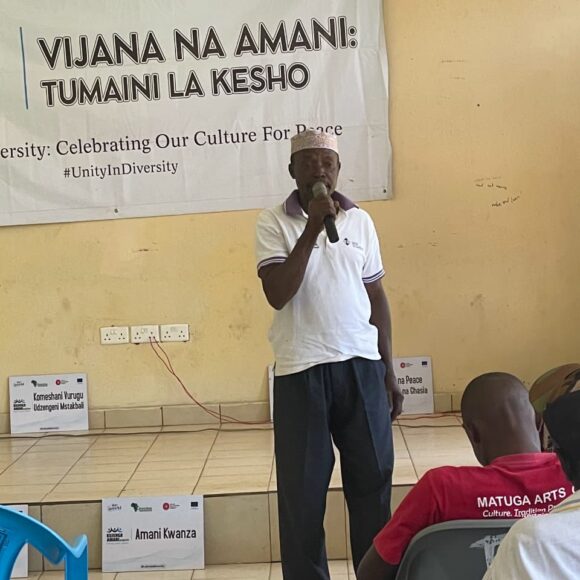
One of the strongest pillars of our peacebuilding work has been the revival of positive cultural values. Through cultural dialogues, performances, and reflections led by Kaya elders and artists, communities were reminded of traditional ways of resolving conflict, promoting unity, and nurturing respect.
Our final cultural peace event brought together youth, elders, leaders, and artists in a powerful celebration of peace through dance, drums, storytelling, and dialogue. It affirmed one simple truth: culture, when embraced positively, can be a powerful tool for healing and togetherness.
Youth as Peace Champions
Across every activity, one message has remained clear—young people are not the problem; they are the solution. Through mentorship, open dialogue, radio talk shows, leadership engagement, and community forums, youth have grown in confidence, responsibility, and purpose. Some have stepped forward as peace ambassadors in their neighborhoods, while others have turned away from risky paths toward education, entrepreneurship, and leadership.
Our Impact So Far
Stronger relationships between youth and local authorities
Reduced tension between rival neighborhoods
Increased youth participation in community dialogue
Greater appreciation of cultural and family roles in peace
Youth empowered to speak, lead, and propose solutions
Our Commitment
Peacebuilding is not a one-day event. It is a continuous journey. At FYEG, we are committed to walking this journey with young people, families, leaders, and partners—step by step, dialogue by dialogue, community by community.
Through Vijana na Amani: Tumaini la Kesho, we continue to nurture a generation that chooses peace, builds bridges instead of barriers, and believes that a safer, united, and hopeful future is possible.
Because when youth rise for peace, the whole community rises with them.